
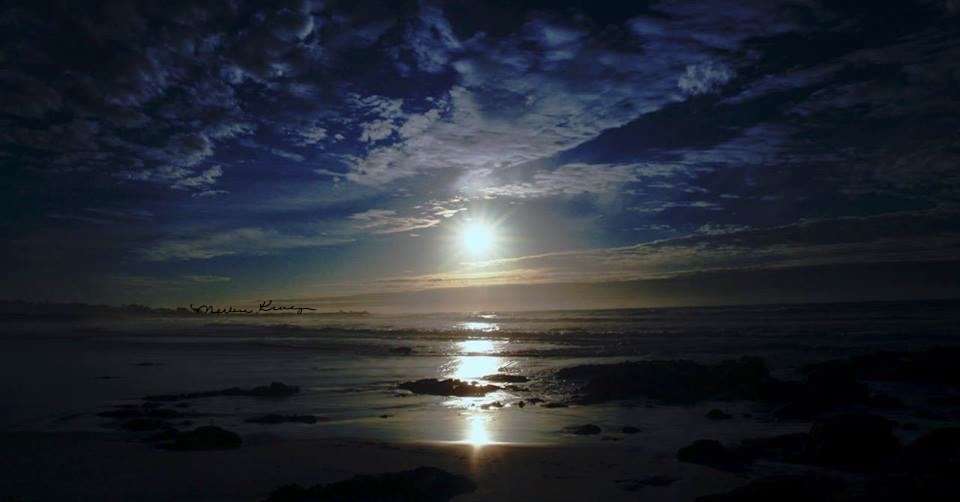
The glowing sky after sunset rolled over Point Pinos, blanketing Pacific Grove in its familiar evening chill. Tonight, the town breathes its rich past. A modern traveler walks down Lighthouse Avenue, passing historic brick storefronts that have stood for over a century. The scent of pine needles mixes with the briny Pacific tide. Here, history is not preserved in a textbook; it lives in the protected Monarch sanctuaries, the steady sweep of the Point Pinos light, and the enduring peace of a town built between the forest and the sea.
In the 1890s, the lightkeeper watched an incredible phenomenon take shape. The oldest continuously operating lighthouse on the West Coast blinked its rhythmic warning. Active since 1855, the lighthouse provides a concrete look into early Pacific maritime navigation, engineering, and the strategic positioning required to guide vessels safely past the treacherous rocks of the peninsula. The lighthouse stands as an essential educational landmark.
Millions of Monarch butterflies arrived from the north, draping the eucalyptus groves in coats of brilliant orange and black. The town quickly became known as “Butterfly Town, USA,” protecting its fragile winter guests with strict local ordinances. The city’s unique geography also creates distinct microclimates that support diverse biological phenomena. Notably, the overwintering Monarch butterflies migrate thousands of miles to cluster in the local eucalyptus groves, drawn by the sheltered, humid conditions. This environmental asset led to some of the earliest local conservation ordinances in the United States, establishing Pacific Grove as a pioneer in community-led ecological protection.
Pacific Grove serves as a living, outdoor classroom where California’s natural geography and coastal history perfectly intersect. Long before European settlement, the Rumsen Ohlone community utilized this specific coastline as a seasonal harvesting ground, relying on the rich marine ecosystem of Monterey Bay for sustenance.
By 1875, the landscape transformed when the Pacific Grove Methodist Episcopal Encampment District was established. Originally functioning as a religious lecture forum and summer retreat, the town layout evolved from a grid of simple canvas tents into a permanent community of Victorian-era architecture. Today, Pacific Grove boasts one of the highest concentrations of historic Queen Anne and Craftsman homes in California, preserving late 19th-century urban planning strategies.
For students and visitors alike, exploring Pacific Grove offers an immersive lesson in how human history, civic conservation, and coastal biology integrate to shape a modern community.